Avoid These Costly Pitfalls When Listing Your House Online
The average American home has $14,000 in appliances. Most homeowners can't find a single warranty document. When it comes to selling your home, this kind of unpreparedness can cost you thousands. Listing your house online seems straightforward—until you discover the $5,000 mistake lurking in the shadows. Let's dive into how you can avoid these costly pitfalls and make your online house listing a spectacular success.
The $5,000 Mistake in Online House Listings
Pricing your home incorrectly is akin to shooting yourself in the foot. Studies suggest that homeowners who overprice their homes by just 10% can lose up to $5,000 in potential offers. Buyers today are savvy; they have access to market data and can easily discern when a home is overpriced. Pricing your home competitively is key. Research similar listings in your neighborhood and consult with a real estate professional to find that sweet spot.
Photography is another area where many homeowners falter. According to industry data, listings with poor-quality photos receive 50% fewer inquiries. It's not just about taking clear images—it's about capturing the essence of your home. The right photos can emotionally connect potential buyers to your property, making them envision their future in it. Don't skimp on quality here; the return on investment is worth it.
Think of your online house listing as a digital first impression. Poor images or incorrect pricing can drastically reduce the number of serious inquiries you receive. Remember, you’re not just selling four walls and a roof; you’re selling a potential lifestyle. Make sure your pricing and photos reflect that.
Crafting a Compelling Online Listing Description
Your online listing description is your chance to woo potential buyers with words. Using the right keywords is crucial in ensuring that your listing appears in relevant searches. Phrases like "newly renovated" or "spacious backyard" can attract specific buyers looking for those features. Be descriptive and precise—mention the number of bedrooms, highlight any recent upgrades, and include neighborhood advantages.
Highlighting unique home features can set your listing apart. Does your home have a state-of-the-art kitchen? Mention it. A finished basement that doubles as a home theater? Shout it from the digital rooftops. Specifics sell homes. Buyers are often looking for key features that fit their lifestyle needs, so make sure yours stand out.
Remember, you’re crafting a narrative. You’re not just listing features; you’re telling a story about what makes living in your home a unique experience. Make every word count and paint a vivid picture of life in your home.
Photography Tips to Make Your Home Shine
Imagine scrolling through a dating app and seeing blurry, poorly lit photos. Swipe left, right? The same logic applies to your house listing. Professional real estate photographers might cost a few hundred dollars, but they can make your home look like a million bucks. Studies show that homes with professional photos sell 32% faster and for more money.
Essential shots include wide-angle views of each room, detailed close-ups of special features, and flattering exterior shots. Don’t forget about lighting—natural light is your best friend. Schedule your photo shoot during the day when your home is brightest. Open all curtains and blinds to let the sunshine in.
If hiring a pro is out of the question, invest in a decent camera and tripod. Focus on clean, clutter-free spaces. Remember, buyers need to envision themselves in your home, not be distracted by your personal effects.
Leveraging Online Platforms for Maximum Exposure
When it comes to listing your house online, visibility is king. Your home should appear on top real estate websites like Zillow, Realtor.com, and Redfin. According to industry stats, homes listed on multiple platforms receive 60% more views. Each platform has its own audience, and casting a wide net ensures you reach as many potential buyers as possible.
Social media can also play a significant role in your home's sale. Share your listing on Facebook, Instagram, and even LinkedIn. Encourage friends and family to share your post—word of mouth is still a powerful tool, even in the digital age. Use hashtags relevant to your area or home style to reach an even broader audience.
Consider using targeted ads to reach specific demographics. Facebook and Instagram ads allow you to target users based on location, age, income level, and more. While there’s an upfront cost, the increased visibility can lead to faster sales and better offers.
Preparing Your Documentation for a Smooth Sale
Documentation can be the Achilles' heel of the selling process. Keeping all necessary documents in one place is crucial. Essential documents include your deed, recent tax bills, utility bills, and property disclosures. You’ll also want to have any home improvement records handy, as these can justify your asking price and showcase the care you’ve put into your home.
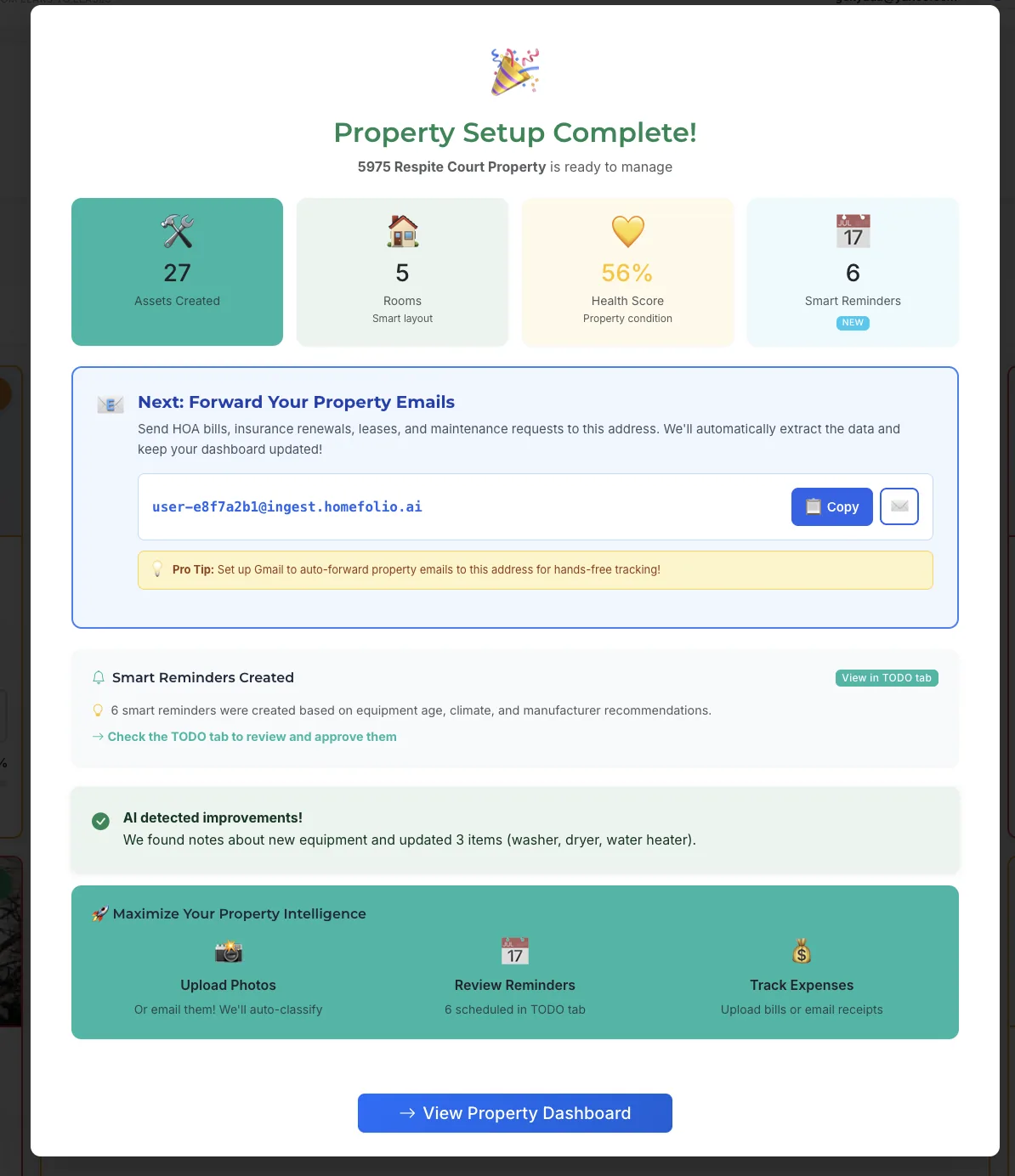
Enter Homefolio AI—your savior in a sea of paperwork. With Homefolio AI, your home's information is in one place, ready when you need it. Everything is connected to the right property, ensuring you’re not scrambling to find a misplaced document when it's time to close the deal. Check it out at Homefolio AI.
Digitizing your records is another way to simplify the process. Digital copies are easier to share with potential buyers and real estate agents. Plus, they’re not going to get coffee-stained or lost like their paper counterparts. Ensure all your documents are up-to-date and clearly labeled for ease of access.
FAQ: Online House Listings
How can I increase the visibility of my online listing?
To increase visibility, list your home on multiple real estate platforms like Zillow, Realtor.com, and Redfin. Leverage social media, using targeted ads to reach specific demographics. Encourage friends and family to share your listing. Use keywords and hashtags to optimize searchability. The more eyes on your listing, the better your chances of selling quickly.
What should I avoid when listing my house online?
Avoid overpricing your home, as it can deter potential buyers and lead to lower offers. Don’t use low-quality photos; they can make your home appear less appealing. Avoid vague or generic listing descriptions. Be specific about your home’s features. Finally, don't neglect your home's digital curb appeal—ensure your online presence is polished and professional.
How important are virtual tours in online listings?
Virtual tours have become increasingly important, especially in a post-pandemic world. They allow potential buyers to explore your home from their devices, broadening your audience beyond local buyers. Homes with virtual tours receive more inquiries and can sell faster. If possible, invest in creating a high-quality virtual tour to enhance your listing.
What are the best times to list a house online?
The timing of your listing can influence its success. Spring is traditionally the best time to list, with March seeing a surge in buyer activity. However, local market conditions can vary. Research your specific area and consider listing during peak seasons. If your local market is hot, you might not need to wait for spring to see competitive offers.
How can I securely manage my online listing?
Ensure your listing is managed securely by using reputable real estate platforms. Keep sensitive information private and communicate through secure channels. Regularly monitor your listing for any unauthorized changes. When in doubt, consult with a real estate professional to manage interactions with potential buyers safely and effectively.