Avoid Costly Pitfalls: Your Essential House Sale Prep Checklist
The average American home has $14,000 in appliances. Most homeowners can't find a single warranty document. If you're preparing to sell your house, this statistic should send a shiver down your spine. As a homeowner, your house is likely your biggest asset. And when it's time to put it on the market, avoiding costly pitfalls can mean the difference between a quick successful sale and a drawn-out financial drain. Here's how to prepare your house for sale without falling into common traps.
The $15,000 Mistake: Repairs and Renovations to Prioritize
Industry data shows that certain repairs and renovations can yield a return on investment of up to 100%, while others might just drain your wallet. For instance, replacing your front door with a new steel one can recoup nearly 75% of its cost. On the other hand, a high-end kitchen remodel could only return about 60%. Focus on high-return repairs like fixing leaks, repairing damaged flooring, and updating old fixtures.
Many homeowners fall into the trap of comprehensive kitchen renovations or adding a luxurious master suite, thinking these will add significant value. Studies suggest that these costly upgrades don't pay off as well as you might hope. Instead, prioritize repairs like repainting with neutral colors or replacing dated bathroom fixtures. These smaller upgrades often provide a better return on investment.
To avoid the $15,000 mistake, assess your home with a critical eye. Make a checklist of minor repairs that can be done quickly and affordably. A few weekends of targeted work can go a long way in improving the overall appeal of your home to potential buyers.
Curb Appeal: First Impressions Matter
According to real estate experts, an inviting exterior can increase a home's perceived value by up to 5%. A simple landscaping refresh—think trimmed hedges, fresh mulch, and colorful flowers—can enhance your curb appeal without breaking the bank. Additionally, power washing the driveway and sidewalks can give your home a clean, well-cared-for appearance.
The front door is your home's handshake. A fresh coat of paint in a bold color or even just polishing the hardware can make your entrance pop. Consider repainting tired exterior walls or shutters. Exterior paint not only improves appearance but also protects against weathering—two birds, one stone.
Potential buyers often decide within seconds if they're interested. So, prioritize these exterior enhancements. A well-maintained lawn, neat garden, and welcoming entrance can set the stage for a positive viewing experience, increasing the chance of a sale.
Inside Matters: Declutter and Depersonalize
Effective decluttering can make your home appear up to 30% larger. Start with one room at a time, sorting items into keep, donate, and discard piles. Aim to clear surfaces and reduce personal items to create a more spacious, inviting environment. Rent a storage unit if necessary to store excess belongings during the selling process.
Depersonalizing your home is crucial for potential buyers to envision themselves living there. Remove family photos, personal collections, and any overly specific decor. Neutral spaces allow buyers to imagine their own style in the home, which can significantly increase appeal.
Streamlining your home’s interior isn’t just about aesthetics—it’s about creating an emotional connection. A decluttered, depersonalized space invites buyers to picture their future in your home, an essential step in the sales process.
Preparing Documentation: What Buyers Want to See
Organizing essential documents can make or break a sale. Compile warranties, receipts, and a detailed maintenance history to provide transparency and trust. According to home insurance data, homes with well-documented maintenance histories are less likely to experience issues during inspections, a common sale killer.
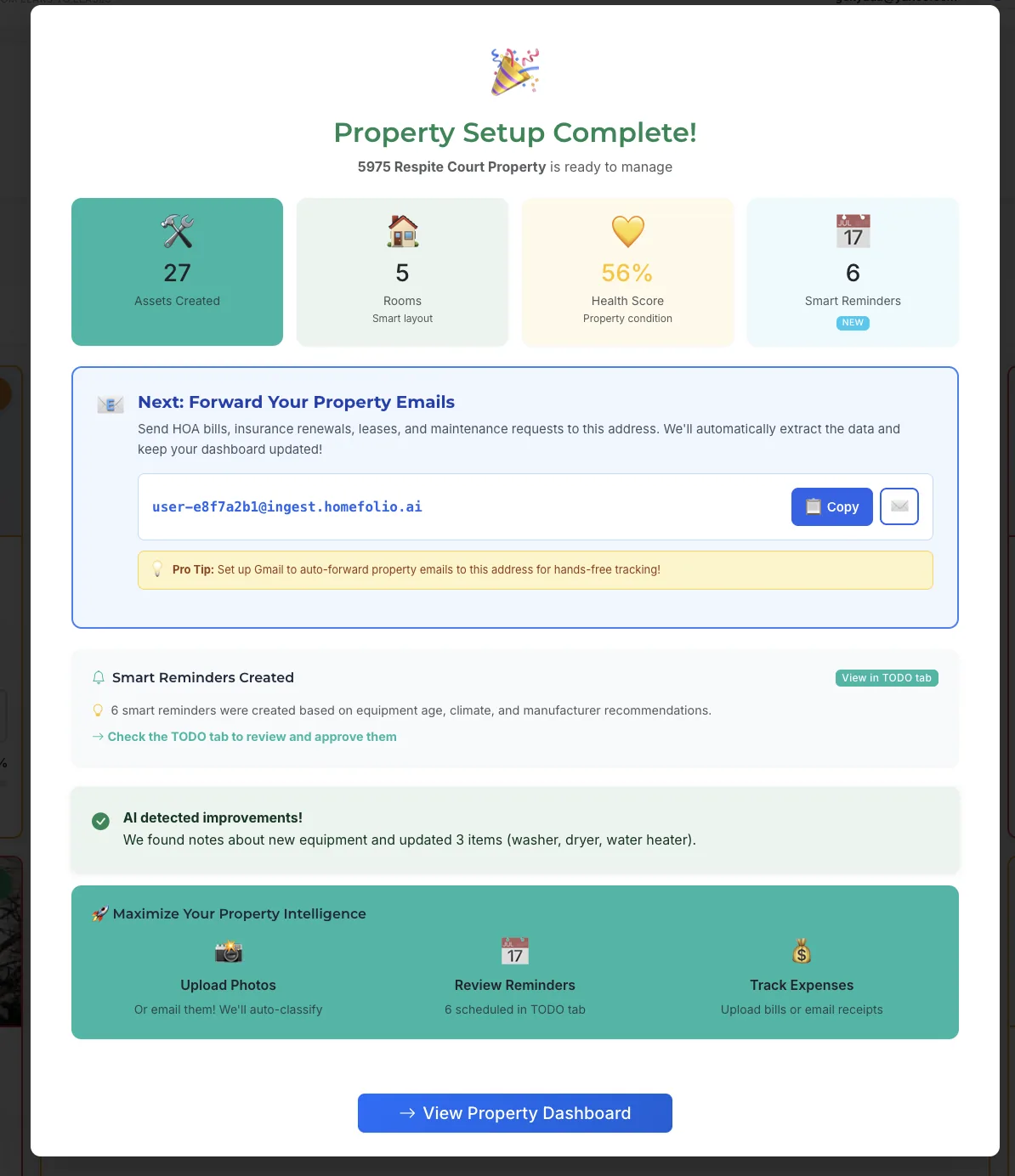
This is where Homefolio AI comes to the rescue. With Homefolio AI, your home's information is in one place, ready for when you need it. All your home's documents, warranties, and receipts are already there when you need them, connected to the right property, making the documentation process seamless for potential buyers. Learn more about Homefolio AI.
Buyers appreciate diligence and transparency. Providing thorough documentation can quell buyer anxiety and expedite the sales process. Always ensure the necessary paperwork is complete and easily accessible before listing your home.
Pricing Right: Strategies for Setting the Best Price
Pricing your home correctly is the linchpin of a successful sale. Researching market trends can help you set a competitive price. Studies suggest homes priced just 10% above market value often sit unsold, while those priced competitively can attract more offers, sometimes leading to a higher final sale price.
Working with a real estate agent can provide invaluable insights into pricing strategies. An experienced agent will use comparable sales data, current market trends, and local knowledge to help you set a realistic price. Their expertise can be crucial in ensuring your home is priced to sell quickly and profitably.
Avoid the temptation to overprice your home with the assumption you can always lower it later. This can lead to your home becoming stale on the market, forcing price reductions. Set the right price from the start to attract serious buyers and maximize your return.
FAQs on Preparing Your House for Sale
What are the most important things to fix when selling a house?
Focus on repairs that impact functionality and safety, such as fixing leaks, repairing cracks, and addressing any electrical or plumbing issues. Cosmetic fixes, like fresh paint and updated fixtures, can also provide a high return on investment. Prioritize repairs that offer the best value for money, enhancing both the appearance and functionality of your home.
How can I sell my house fast?
To sell your house quickly, price it competitively and ensure it’s in top condition. Enhance curb appeal, declutter, and depersonalize your interior to attract buyers. Consider hiring a real estate agent with a good track record for selling homes quickly in your area. They can provide valuable insights and strategies to expedite the process.
Do I need to stage my home before selling?
Staging your home can significantly impact its saleability. Professionally staged homes often sell faster and for a higher price. If you’re on a budget, focus on key areas like the living room, kitchen, and master bedroom. Staging helps buyers visualize the potential of your space and can make your home stand out in the market.
How do I find a reliable real estate agent?
Start by asking for recommendations from friends or family who have recently sold homes. Research agents online, looking for those with strong reviews and a track record of successful sales. Interview multiple agents to find one who understands your needs, has local expertise, and communicates effectively.
What documents do I need to sell my house?
Essential documents include the property deed, mortgage statements, tax information, and records of any upgrades or repairs. Warranties and receipts for appliances and systems can also be useful. Having a comprehensive set of documents ready for potential buyers can facilitate a smoother transaction.