Property Tips

Avoid Costly Mistakes: Master Tracking Home Improvement Projects

Avoid Costly Mistakes: Master Tracking Home Improvement Projects

The $8,000 Oversight: Why Tracking Matters

Imagine spending $8,000 on a new roof only to realize you have no record of the contractor's warranty. Frustrating, right? According to home insurance data, nearly 30% of homeowners have faced similar predicaments where lack of documentation led to costly repairs or unclaimed warranties. The average American home boasts $14,000 worth of appliances, yet most can’t produce a single warranty document when necessary.

The absence of proper documentation can diminish your home’s value significantly. Studies suggest that well-documented home improvements can enhance a property's resale value by up to 5%. Neglecting paperwork might mean losing out on thousands when negotiating a sale. By maintaining detailed records, you safeguard your investment and avoid unnecessary financial setbacks.

Common pitfalls in managing home improvements include misplaced receipts, forgotten contractor details, and unrecorded upgrades. Each of these can contribute to a devaluation of your property. A meticulous tracking system can prevent these issues, ensuring that every dollar spent enhances the value of your home.

Essential Documentation for Every Project

Every home improvement project should be accompanied by a stack of essential documents. These include contractor contracts, receipts, warranties, and before-and-after photos. Keeping a comprehensive portfolio for each project not only aids in future renovations but also serves as a crucial reference during sales negotiations.

Consider a scenario where you want to sell your home. A well-organized set of documents showcasing your home’s improvements can simplify the selling process and instill confidence in potential buyers. Industry data shows that homes with documented improvements sell 10% faster than those without. Prospective buyers appreciate transparency and are willing to pay a premium for it.

To keep track of these documents, start by implementing a filing system—both physical and digital. Label folders by project and date, and make sure to update them regularly. This practice not only saves you time but also maximizes your return on investment when it's time to sell.

Tools and Techniques for Easy Project Tracking

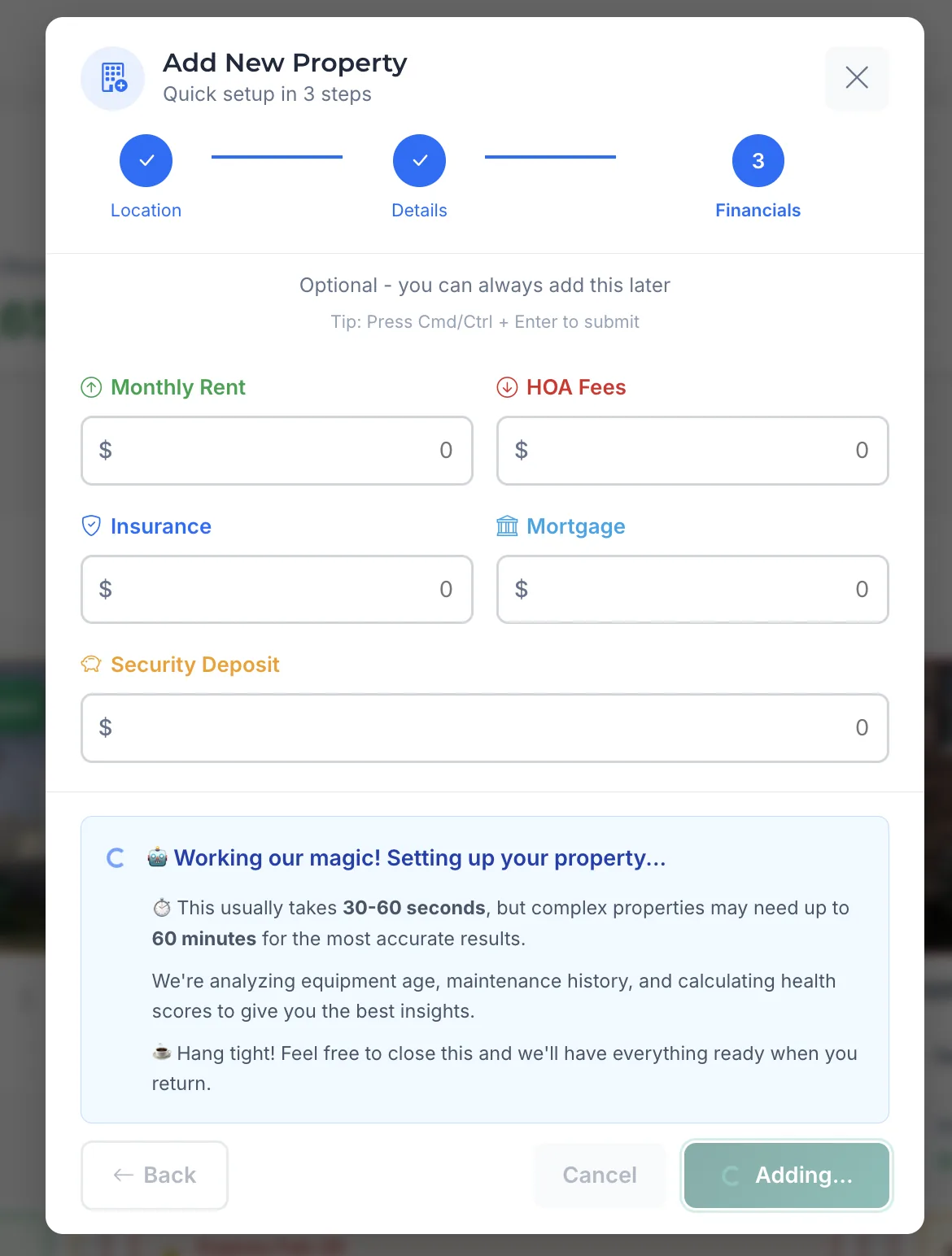
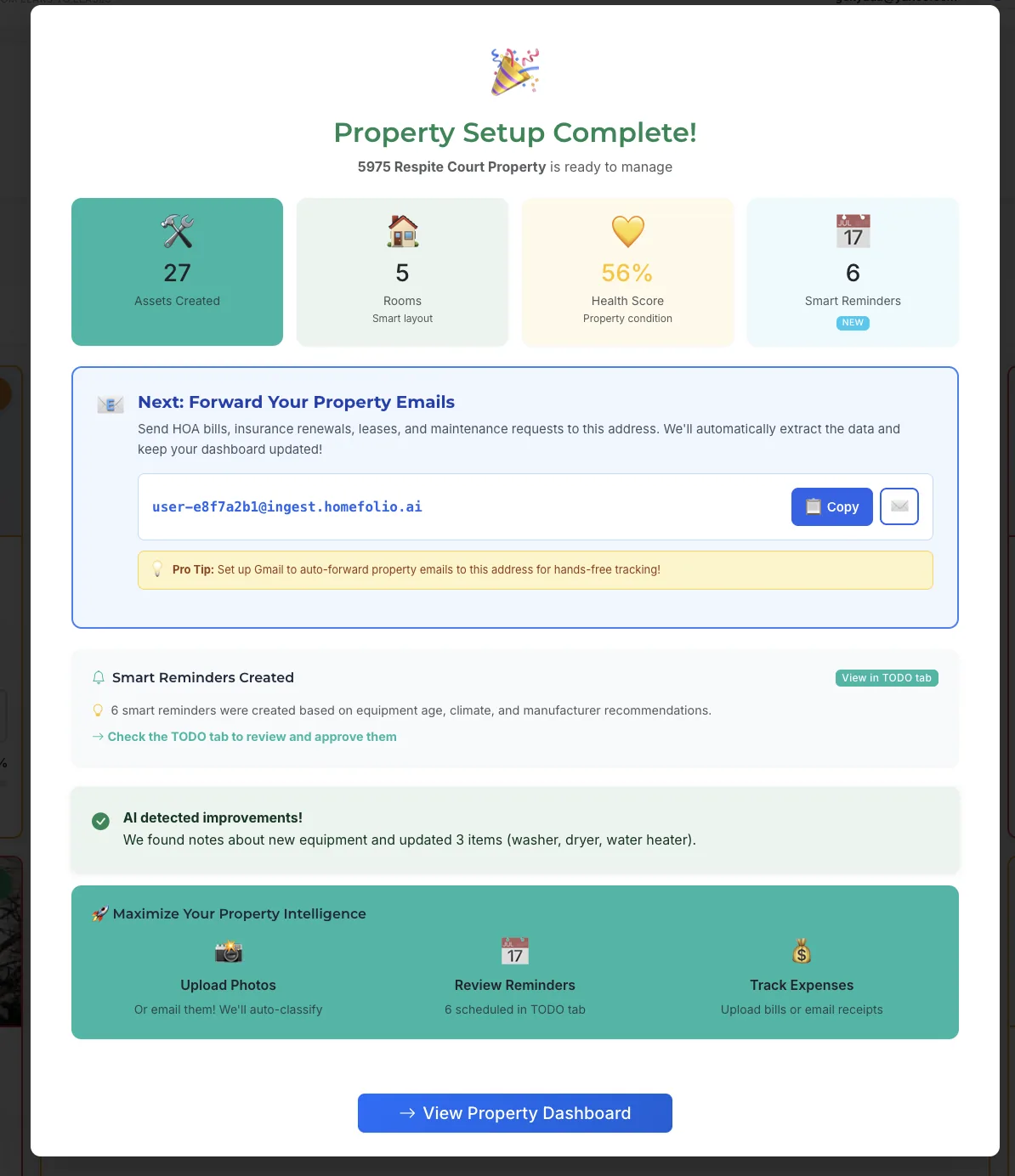
In the digital age, tracking home improvements is more intuitive than ever. Apps like Homefolio AI make this process seamless by ensuring all your home improvement documents are already there, connected to the right property. This way, your home's information is in one place, ready when you need it. Homefolio AI ensures accessibility and organization without the hassle of manual input.

To maximize the efficiency of these tools, categorize documents by type—receipts, warranties, contracts—and project phase. Use cloud storage solutions to backup digital copies, ensuring they remain safe from physical damage or loss. This dual approach of physical and digital storage guarantees that your records are both secure and easily retrievable.

Establish a routine where you update your records immediately after completing a project. This habit ensures that no detail is forgotten and that every improvement is properly documented. With the right tools and techniques, staying organized becomes second nature.

The Role of Home History in Insurance and Tax Benefits

Documenting home improvements can significantly impact your insurance claims. When disaster strikes and you need to file a claim, having detailed records of upgrades and repairs can expedite the process. According to insurance experts, claims with comprehensive documentation are processed up to 50% faster.

From a tax perspective, proper documentation of home improvements can be your best ally. Certain upgrades may qualify for tax deductions, but only if you have the right records. For instance, energy-efficient improvements often come with tax incentives. Keeping detailed receipts and proof of installation helps maximize these benefits.

To harness these advantages, ensure you categorize your documents not just by project type but also by their potential tax implications. Regularly consult with a tax professional to stay updated on eligible deductions and credits, ensuring you reap the financial benefits of your investments.

Long-Term Benefits: Building a Seamless Home History

A well-documented home history proves invaluable for future renovations. It provides a clear picture of past projects, allowing you to plan more effectively. Knowing what materials were used in previous improvements can guide contractor decisions and budget allocations for new projects.

Moreover, a comprehensive home history enhances buyer confidence during sales. Prospective buyers are more likely to purchase a home with a transparent past, as it eliminates uncertainty about maintenance and upgrades. Studies suggest that this transparency can increase a home's market value by up to 5%.

In the long run, maintaining a seamless home history can transform a homeowner’s experience. It ensures that every improvement decision is informed and strategic, ultimately preserving and enhancing the value of your greatest asset—your home.

FAQs on Tracking Home Improvement Projects

How long should I keep home improvement records?

It's wise to keep home improvement records for at least ten years. This timeframe covers most warranty periods and is sufficient for tax purposes. For older documents, consider digitizing them for easy access and peace of mind. Remember, having records readily available can simplify future sales and insurance claims.

What if I lose important documentation?

If you lose documentation, immediately contact the contractor or supplier for duplicates. Many companies keep digital records and can provide a copy of your purchase or warranty. As a preventive measure, always back up important documents digitally through cloud storage solutions.

Are digital records accepted by insurance companies?

Yes, digital records are widely accepted by insurance companies. They often prefer digital submissions for their convenience and accessibility. Ensure your digital files are clear and legible, and maintain backups to avoid accidental loss. Confirm with your insurance provider about any specific requirements they might have.

How do I determine the ROI of my home improvements?

To calculate the ROI of home improvements, compare the cost of the upgrade to the increase in your home’s market value. Tools like online home value calculators can provide estimates, but consulting a real estate agent offers more precise insights. Documented improvements often yield higher ROIs during appraisals and sales.

Can I use past improvements to negotiate a higher sales price?

Absolutely. Documented improvements can substantiate a higher asking price by showcasing the added value to potential buyers. Present a portfolio of completed projects with detailed records during negotiations. This transparency demonstrates the care and investment you've put into your home, often leading to a more favorable sale.

Your Home's Records — Already There When You Need Them.

Warranties, receipts, maintenance history, and appliance details — connected to your property automatically.

Get Started Free →