Avoid Costly Mistakes: Tips for Choosing Home Repair Services
The average American home contains over $14,000 in appliances, yet most homeowners would struggle to locate a single warranty document when needed. This staggering disconnect highlights the importance of choosing the right service provider for your home repairs. With the right decisions, you can protect both your wallet and your home's value. Let's dive into how you can avoid costly mistakes when selecting home repair services.
The True Cost of Hiring the Wrong Repair Service
Hiring the wrong repair service is akin to throwing money into a pit with no bottom. Studies suggest that poor repair jobs can slash as much as 10% off your property value. Imagine your $300,000 home suddenly being worth $30,000 less because of a shoddy roof replacement or a botched plumbing job. Financial losses like these are not just a bad dream—they're a reality for many homeowners who didn't do their homework.
The impact extends beyond your wallet. Poor repairs can compromise the safety of your home. Electrical mishaps are a leading cause of house fires, many of which stem from improper repairs. So, what seems like a minor inconvenience could evolve into a life-threatening hazard, endangering your family and home.
To truly grasp the cost, consider this: the average claim for water damage due to faulty plumbing exceeds $10,000 according to home insurance data. Save yourself from these financial and safety nightmares by carefully vetting your repair service providers in advance.
Research and Vet Potential Repair Services
Your home is your castle, and like any fortress, it requires skilled hands to maintain. The first step in choosing the right repair service is ensuring they have the proper licenses and insurance. Without these, you're essentially inviting problems to parade through your front door. Industry data shows that unlicensed contractors are responsible for a significant portion of home repair complaints.
Reputation matters. Dive into reviews and testimonials, but don't stop at glowing stars on one website. Scour multiple platforms, such as Yelp, Google Reviews, and Angie's List, to get a comprehensive view of potential service providers. Look for patterns—both good and bad—as these can reveal the true nature of a company.
Lastly, ask for references directly from the company. A reputable service provider won't flinch at this request. Reach out to past clients and inquire about their experiences. This extra step can save you from becoming another cautionary tale.
Understanding Service Guarantees and Warranties
Warranties can be your best friend—or your worst enemy if you don't understand them. Typically, warranties cover defects in materials and workmanship. However, the devil is in the details: coverage duration and what voids it can vary significantly. Before you sign anything, know precisely what you're getting.
Service guarantees are another layer of protection. A guarantee shows confidence in their work. It provides peace of mind, knowing that if something goes awry, they will fix it without additional costs. This is crucial, especially in complex repairs where multiple components are involved.
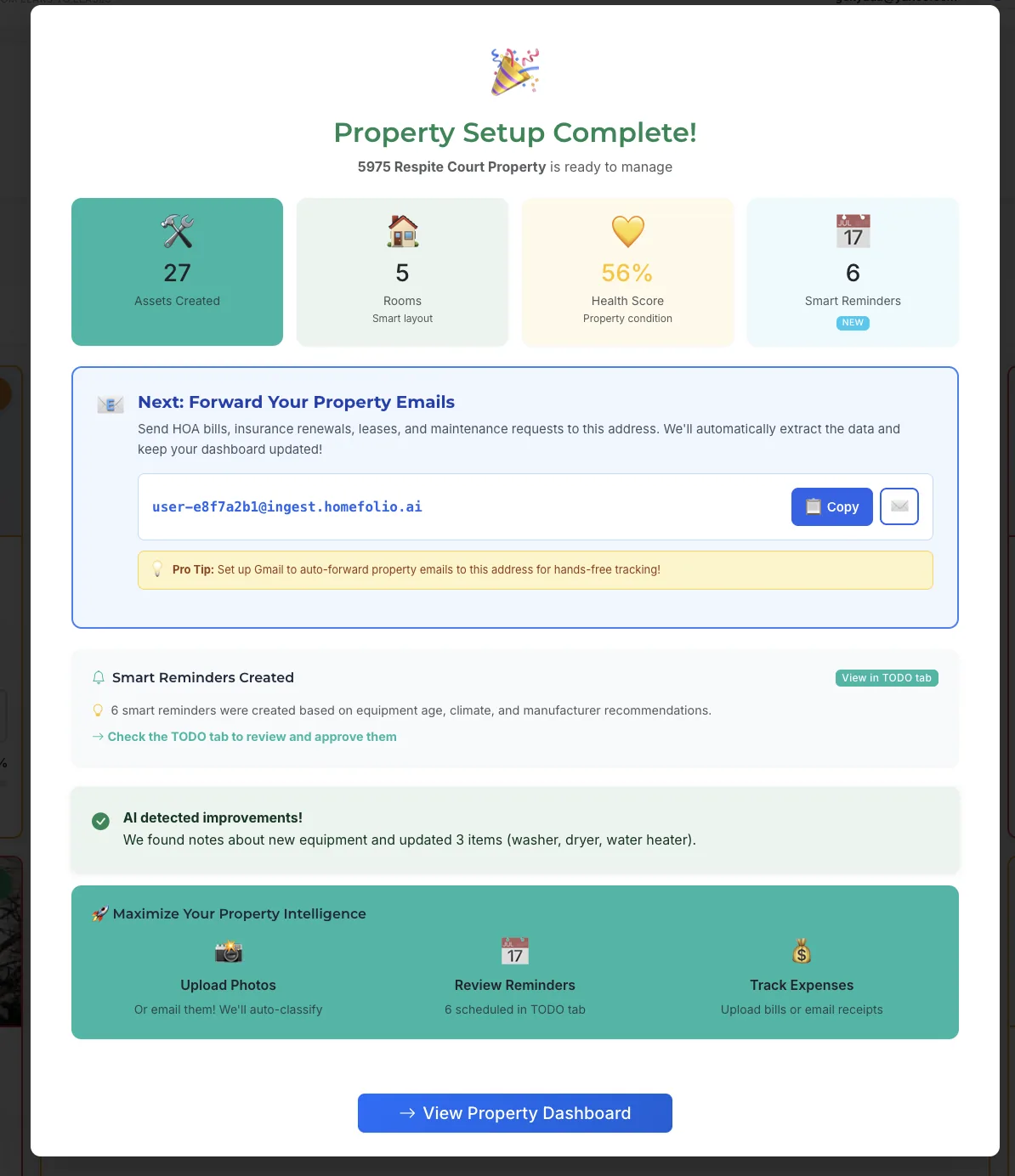
Homeowners often lose track of warranties and service histories, but with Homefolio AI, all this information is automatically connected to the right property, ensuring it’s already there when needed. This tool could be the linchpin in maintaining your home's value and safety.
Comparing Quotes: Don’t Just Go for the Lowest Bid
When your air conditioning conks out in the middle of July, your first instinct might be to jump at the cheapest repair quote. But beware: low bids often come with hidden costs. Just like in a game of chess, thinking only about the immediate move can end in disaster. Consider the experience of the technician, the quality of parts they use, and their reputation.
Beyond price, examine the scope of work included in the quote. Does it cover all necessary permits and inspections? Will they handle disposal of old equipment or debris? These factors can significantly influence the total cost of a project. A seemingly low bid can quickly inflate with add-ons and overlooked details.
A smart approach involves obtaining at least three quotes, comparing them side by side not just for cost, but for value and comprehensiveness. Look for detailed breakdowns and ask questions. An informed decision will save you money and grief in the long run.
Red Flags: When to Walk Away from a Repair Service
If something feels off during your initial contact with a repair service, trust your instincts. Unprofessional behavior—missed appointments, evasive answers, or pressure tactics—means it's time to walk away. These aren't just quirks; they're signals of bigger issues down the road.
Be wary of contractors who demand unusually high upfront payments or insist on cash-only transactions. These demands are often hallmarks of scams or businesses on shaky financial ground. According to consumer protection agencies, complaints about such practices have been rising.
Finally, scrutinize their contract. If the terms are vague or they hesitate to put agreements in writing, consider it a glaring red flag. A reliable service provider will have clear, detailed contracts and no problem explaining them.
FAQs About Home Repair Services
How do I verify a contractor's credentials?
Start by asking for their license number and insurance details. Verify the license with your state's licensing board website—most states provide online tools for this purpose. Check their insurance coverage by contacting the provider and ensuring it's current. This step ensures you’re dealing with a legitimate business.
What should I do if I'm unsatisfied with a repair?
First, contact the service provider and express your concerns—most have policies for handling disputes. If you don't reach a resolution, consult your warranty or service guarantee. As a last resort, file a complaint with the Better Business Bureau or your state's consumer protection agency.
How can I ensure fair pricing for repairs?
Research is your best ally. Obtain multiple quotes for comparison and ask for detailed breakdowns. Consult online resources for average pricing in your area—knowledge is power. Additionally, during negotiations, don't hesitate to ask about discounts or payment plans that might be available.
What are common repair scams to avoid?
Beware of door-to-door offers, especially after natural disasters. Scammers prey on urgency, offering quick fixes at inflated prices. Also, avoid contractors who ask for full payment upfront or pressure you into signing contracts hastily. These are classic red flags for fraudulent activities.
When is DIY repair a better option?
If the repair is straightforward and doesn't involve electrical or plumbing systems, a DIY approach might save you money. However, always assess the complexity and risks involved. For instance, painting a room or fixing a leaky faucet can be tackled with basic tools and a tutorial. For anything more complex, consider professional help.