Property Tips

Avoid These Costly Mistakes to Sell Your House Fast & Profitably

Avoid These Costly Mistakes to Sell Your House Fast & Profitably

The average American home changes ownership every seven years, and according to Zillow, only 23% of sellers say they are satisfied with the process. If you want to be part of that satisfied minority, you need to avoid costly errors that delay your sale and eat into your profits. Here’s how to sidestep the pitfalls and get the most out of your home sale.

The $15,000 Mistake: Ignoring Buyer Preferences

Ignoring what buyers want can cost you up to $15,000 in price reductions and improvements. Industry data shows that homes with outdated kitchens or bath fixtures sit longer on the market. Buyers today prioritize open floor plans, modern kitchens, and energy-efficient features. If your home lacks these, you might end up slashing your price to attract offers.

Do a quick audit of your home’s features. Is the kitchen stuck in a 1990s time warp? Does your bathroom sport a carpeted floor? A few targeted updates can significantly boost your home's appeal. Consider swapping out old fixtures or applying a fresh coat of paint in neutral tones. These changes are often inexpensive yet impactful.

Remember, overlooking buyer preferences isn't just about aesthetics. It can lead to concessions during negotiations. If buyers perceive your home as a fixer-upper, they'll expect a discount to compensate. By aligning your property with market demands, not only do you attract more offers, but you also keep your asking price intact.

Staging Secrets: How to Captivate Buyers Instantly

First impressions don't get second chances, especially in real estate. A well-staged home can sell for as much as 5% more than a non-staged one. Industry studies suggest that buyers form an opinion within the first 7–10 seconds of entering a home. Make those seconds count by staging your home to highlight its strengths.

Start by decluttering. Remove personal items like family photos and knick-knacks. Potential buyers should envision themselves living in your space, not feel like they're intruding on yours. Next, rearrange furniture to create inviting, open spaces. If your budget allows, consider hiring a professional stager who can bring in furniture and decor to enhance your home’s appeal.

On a tight budget? No problem. Simple additions like fresh flowers, new throw pillows, and strategically placed mirrors can make a world of difference. Small changes, such as updating old light fixtures or adding a few potted plants, can enhance your home’s ambiance and captivate buyers from the get-go.

Pricing Strategies That Maximize Profit

Set your price too high, and you’ll scare off buyers; too low, and you leave money on the table. Pricing a home is both an art and a science. According to industry data, homes priced right from the start are 40% more likely to sell within the first month. So how do you hit that sweet spot?

Conduct a comparative market analysis (CMA) to understand what similar homes in your area are selling for. Pay attention to local market trends. Is it a seller’s market or a buyer’s market? This will influence your pricing strategy. If you're unsure, consulting a real estate expert can provide valuable insights.

Consider employing psychological pricing tactics. Listing your home at $299,900 instead of $300,000 can make it appear significantly cheaper, even though the difference is negligible. These small pricing nuances can attract more buyers and increase the likelihood of competitive offers, ultimately maximizing your profit.

Disclosures and Documentation: Get It Right the First Time

Nothing kills a deal faster than a lack of transparency. Incomplete or incorrect disclosures can lead to legal troubles and erode buyer trust. According to real estate law, failing to disclose known issues can result in lawsuits post-sale. Familiarize yourself with the disclosure requirements in your area to avoid these pitfalls.

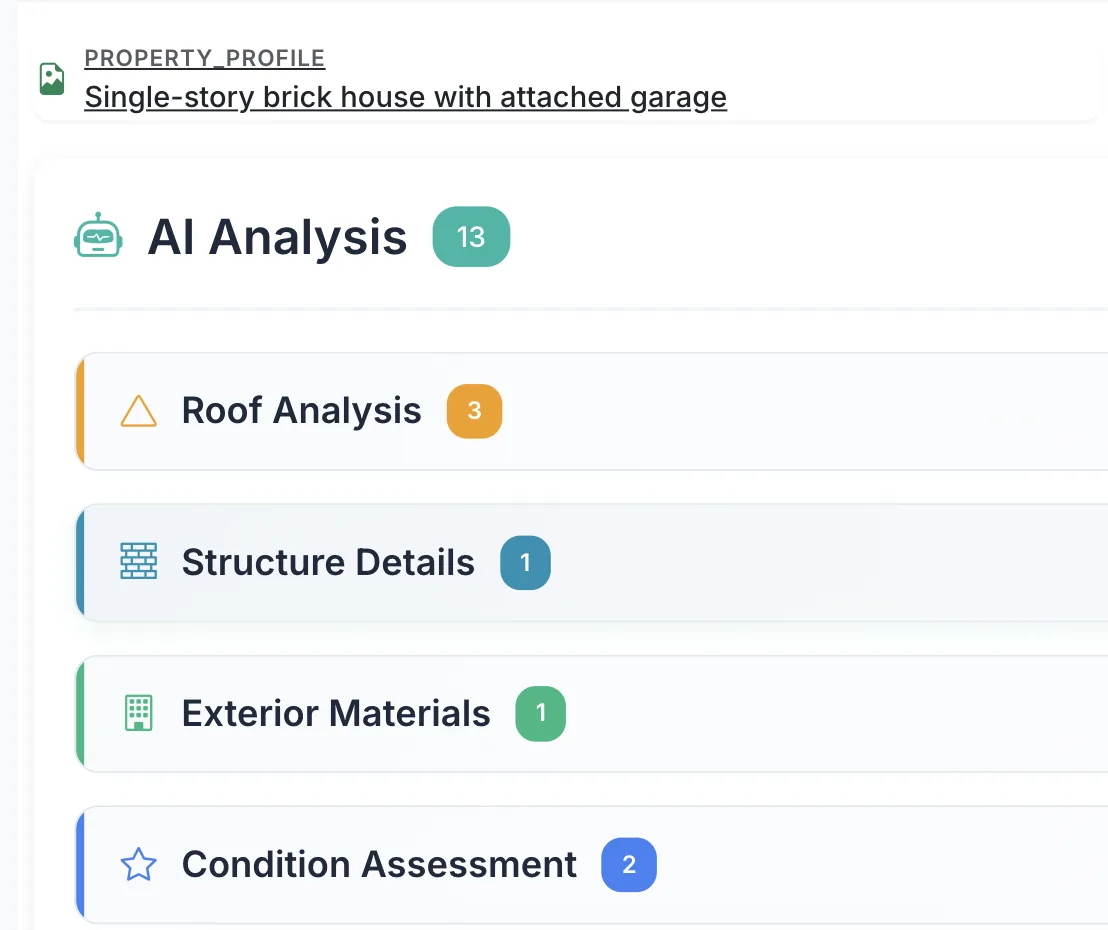
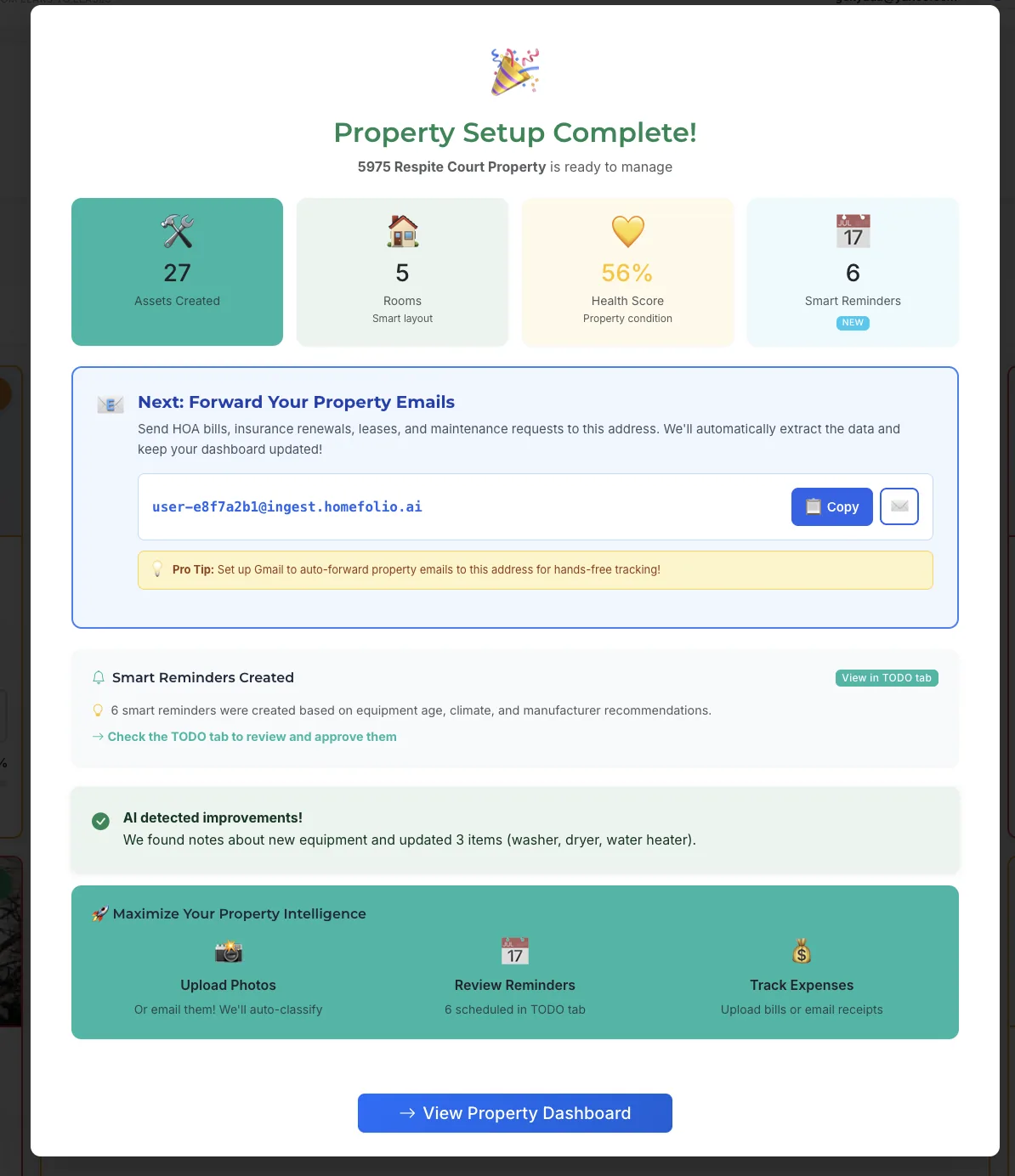
Documentation is your safety net. From past renovations to warranty information, having all your paperwork ready can speed up the transaction and instill confidence in buyers. This is where Homefolio AI comes into play. By ensuring your disclosures and documents are already there and connected to the right property, you streamline the process, making it smoother for everyone involved.

A well-organized documentation trail can also make your home more appealing compared to others. Buyers appreciate transparency, and having everything in one place can be a deciding factor when offers start rolling in. So, get your documents in order before you list your home on the market.

Leveraging Digital Tools to Expedite the Sale

In the digital age, your online presence is as crucial as your curb appeal. Studies suggest that 92% of buyers start their home search online. To capture their attention, your digital listing should be as polished as the home itself. Utilize high-quality photos and engaging descriptions to attract potential buyers.

Consider using online platforms like Zillow, Realtor.com, and social media to reach a broader audience. These platforms allow you to showcase your home to thousands of prospective buyers with just a few clicks. Additionally, investing in professional photography can make your listing stand out in a crowded online marketplace.

Virtual tours are another powerful tool. They provide an immersive experience that can pique buyer interest and allow them to explore your home from anywhere. This is especially beneficial if you're targeting out-of-town buyers or navigating a busy market where in-person showings are limited.

FAQ: Common Questions About Selling Fast and Profitably

What are the best months to sell a house?

Spring and early summer are traditionally the best times to sell. Industry data shows that homes listed in May often sell faster and for more money. During these months, families prefer to move before the new school year, and the weather is generally more conducive to house hunting.

How long does it typically take to sell a house?

The average time to sell a home varies, but in a hot market, it can take as little as 30 days. In slower markets, expect anywhere from 60 to 90 days. Pricing, location, and the condition of your home are pivotal factors that influence the timeline.

What renovations offer the best return on investment?

Focus on kitchen and bathroom remodels, as these are the rooms buyers pay the most attention to. According to Remodeling Magazine’s Cost vs. Value Report, minor kitchen remodels recoup an average of 81% of their cost, making them a wise investment.

Should I sell my house with an agent or by myself?

While selling on your own can save you on commission fees, using a real estate agent often results in a higher sale price. Agents bring expertise, marketing resources, and negotiation skills to the table, which can more than make up for their commission.

How can I sell my house without lowering the price?

Enhance your home's appeal through strategic updates, professional staging, and excellent marketing. Ensure your pricing is competitive from the start, and use psychological pricing to attract more buyers. Transparency with disclosures can also build buyer trust, making them willing to meet your asking price.

Your Home's Records — Already There When You Need Them.

Warranties, receipts, maintenance history, and appliance details — connected to your property automatically.

Get Started Free →