Property Tips

Avoid Costly Mistakes: Master Your Homeowners Insurance Claim

Avoid Costly Mistakes: Master Your Homeowners Insurance Claim

The average American home has $14,000 in appliances. Most homeowners can't find a single warranty document. It's no surprise, then, that filing a homeowners insurance claim can feel like navigating a labyrinth. One wrong turn, one misplaced document, and you could be out thousands. Let's master this maze together and avoid the costly mistakes that catch many off guard.

The $10,000 Slip-Up: Why Details Matter in Claims

Did you know that a single overlooked detail in your insurance claim can cost you upwards of $10,000? According to a study by the Insurance Information Institute, 21% of claims are underpaid due to minor errors that could have been easily avoided. Missed deadlines, incorrect information, or poorly documented damage are all culprits that can lead to claim denial or reduced payouts.

Consider this real-life example: A homeowner reported storm damage to their roof, but the claim was rejected because they failed to document the pre-existing condition of the roof. A small oversight like this can make the difference between a $15,000 payment and nothing at all. The devil is truly in the details when it comes to insurance claims.

To avoid these costly slip-ups, double-check every form and piece of documentation you submit. Ensure that all information is accurate and complete. If you're uncertain about anything, don't hesitate to reach out to your insurance provider for clarification. It's better to ask a seemingly silly question than to lose a significant amount of money.

First Steps: Immediate Actions to Take After Damage

When disaster strikes, time is of the essence. The first action on your to-do list should be to document the damage thoroughly. Grab your smartphone and start snapping photos and recording videos. Capture multiple angles and close-ups to provide a comprehensive view of the damage. This immediate documentation is crucial—according to industry data, claims with detailed visual evidence are processed 50% faster.

Once you've documented the damage, contact your insurance agent as soon as possible. Many policies require prompt reporting of incidents, often within 24 to 48 hours. Delaying this step could jeopardize your claim. Your agent will guide you through the initial steps and help you understand what information you'll need to gather.

Moreover, take temporary measures to prevent further damage—like covering a leaking roof with a tarp. Keep receipts for any emergency repairs, as these can be reimbursed. Remember, swift action not only safeguards your home but also fortifies your insurance claim.

Understanding Your Policy: Know What’s Covered

Insurance policies can read like an ancient manuscript, full of jargon and dense paragraphs. However, understanding your coverage is paramount. Start by reviewing the declarations page, which summarizes the key elements of your policy, including coverage limits and deductibles. Studies suggest that 30% of homeowners are unaware of their deductible amount, which can lead to financial surprises during a claim.

One common misconception is assuming that all types of damage are covered. For instance, many standard policies exclude flood damage—requiring a separate policy. Clarify what's covered and what's not to avoid unpleasant surprises. If needed, consult your agent to translate the legalese into plain English.

Practical tip: Create a summary of your policy's key points and store it in a readily accessible location. This cheat sheet can save you time and stress when you're in the midst of filing a claim.

Gathering Evidence: The Power of Proper Documentation

Having a well-documented case can be the difference between a successful claim and a frustrating denial. Start by gathering all relevant receipts and estimates for repair costs. These documents substantiate your claim and provide a clear picture of the financial impact of the damage.

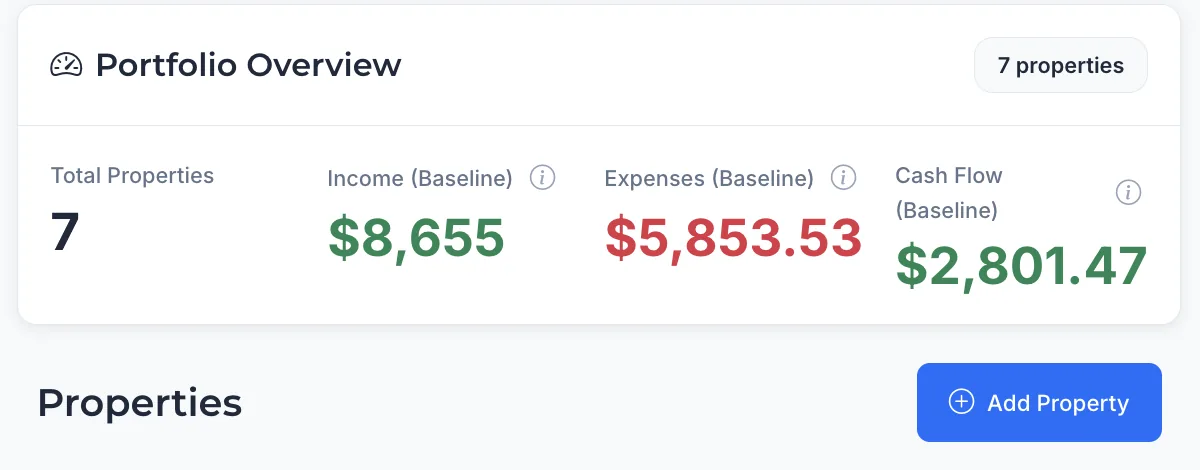
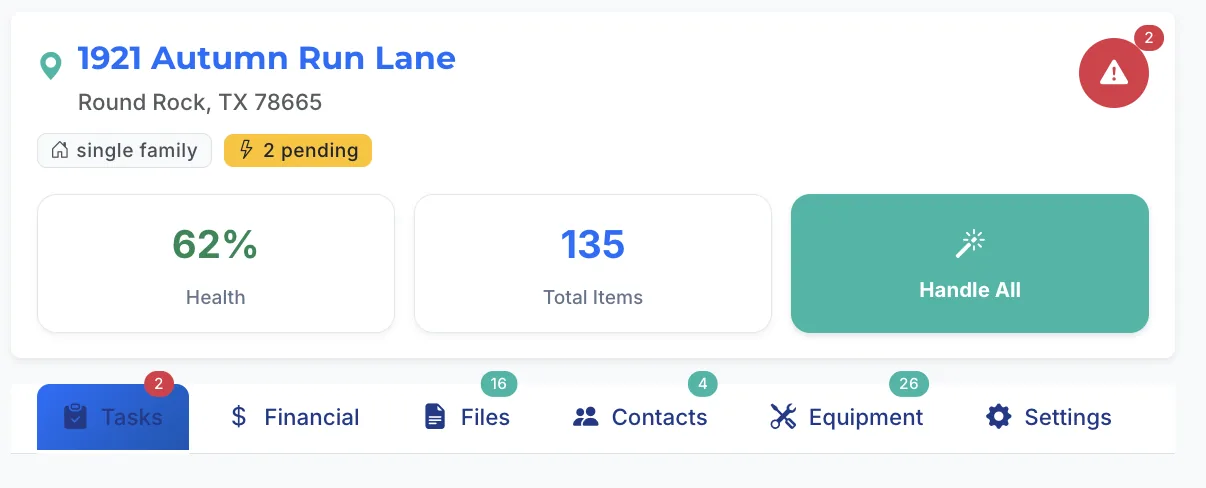
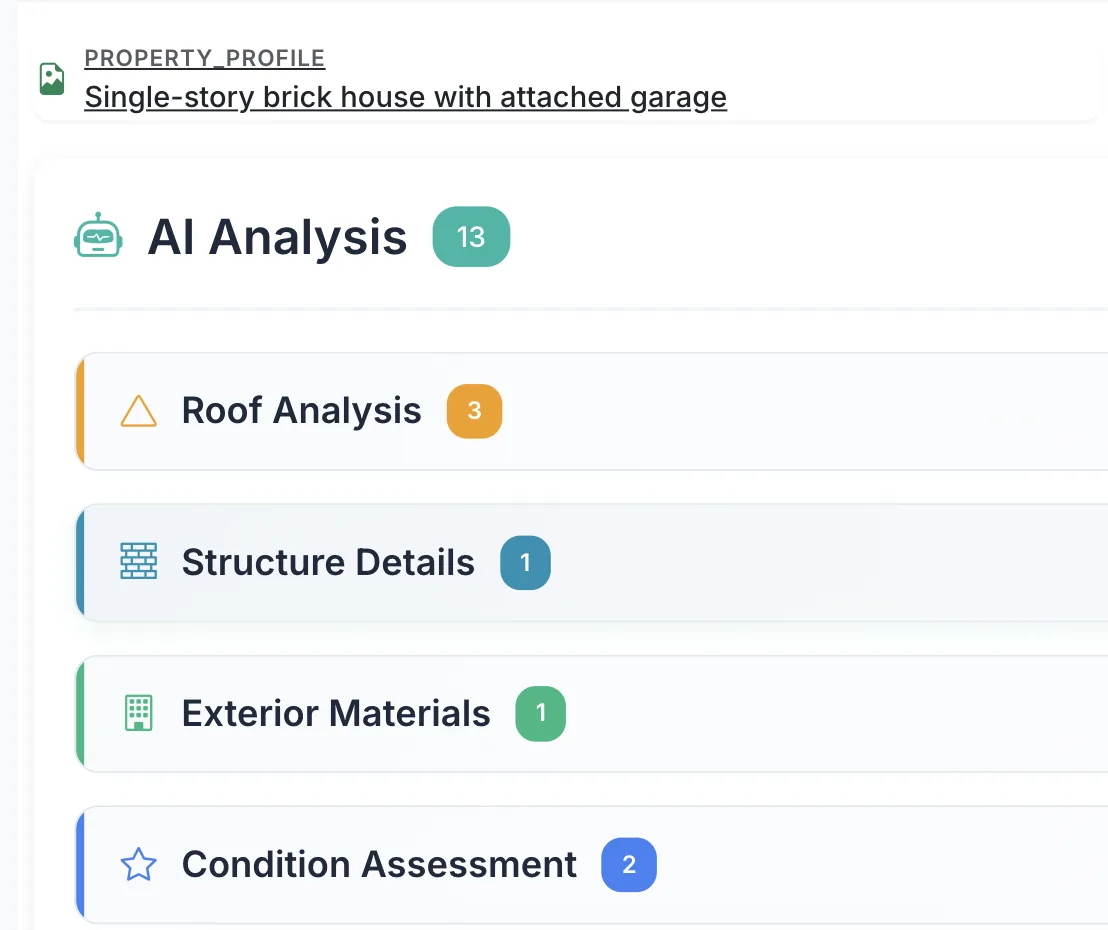
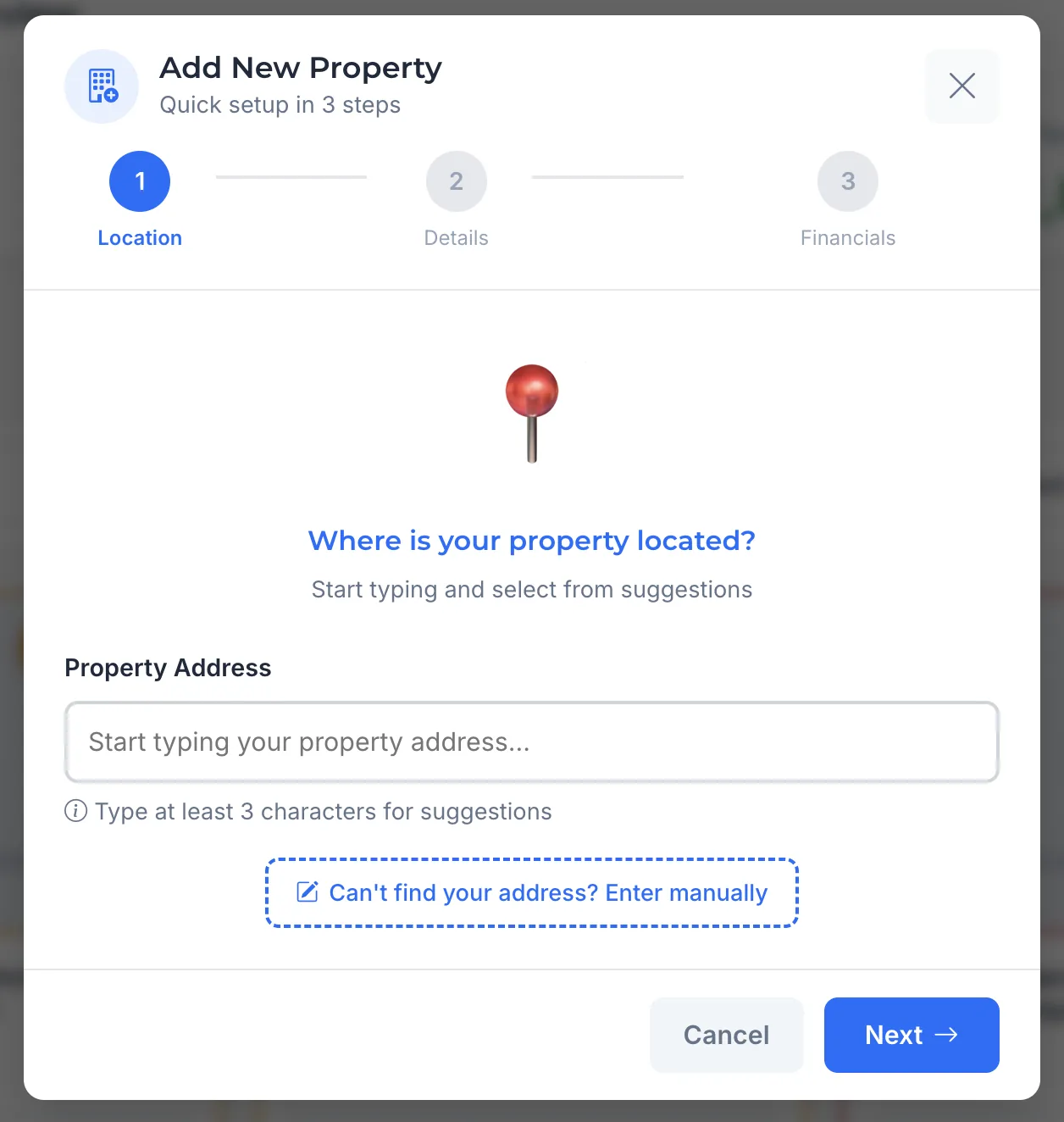
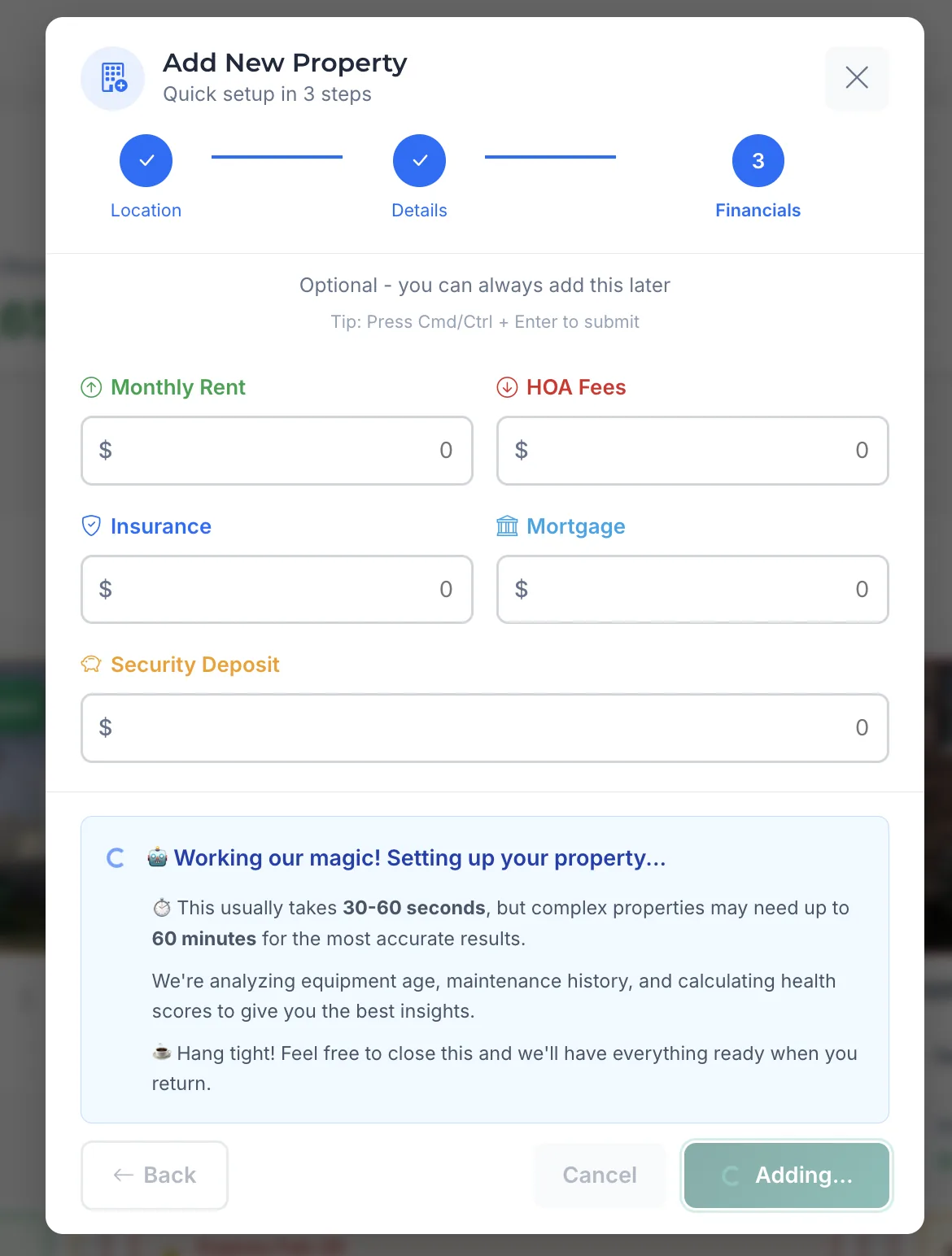
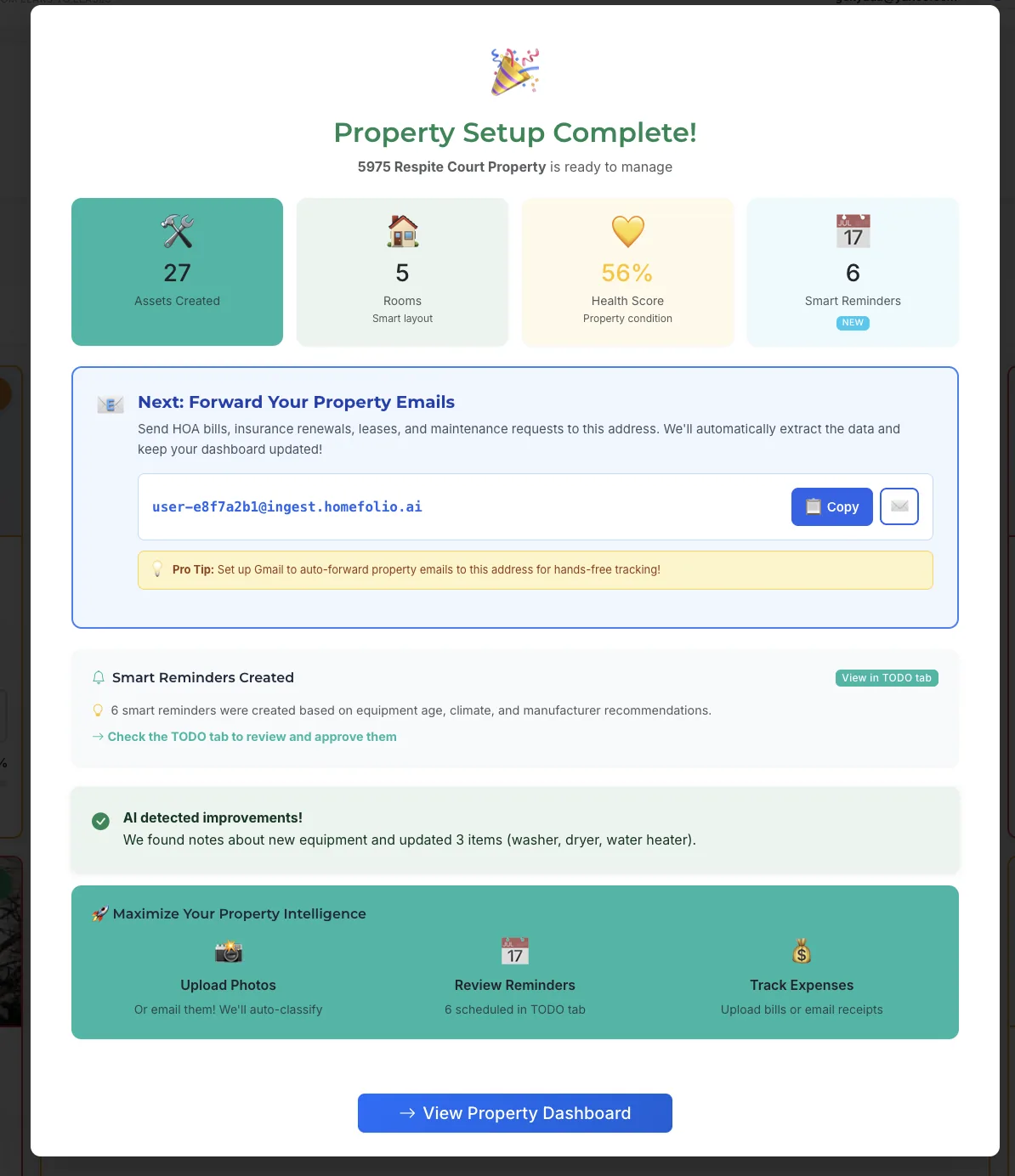
Now, imagine if all your receipts, warranties, and repair estimates were already there when you need them. Enter Homefolio AI. With Homefolio AI, your home's information is in one place, ready, and connected to the right property. This ensures your evidence gathering is streamlined and your case is strengthened.

Keep a detailed log of conversations with your insurance company, including dates, times, and names of representatives. This documentation can prove invaluable if discrepancies arise. A well-organized claim file can expedite the process and reduce potential pushback from the insurer.

Communicating with Your Adjuster: Tips for Success

When it comes to dealing with insurance adjusters, a little rapport goes a long way. Start by understanding their lingo. Terms like "actual cash value" and "replacement cost" are essential to grasp. Building a positive relationship can make negotiations smoother and more productive. Remember, the adjuster is there to assess the damage objectively, so present your evidence clearly and professionally.

Negotiation is key to maximizing your payout. If the initial offer seems low, don't hesitate to ask how the adjuster arrived at that figure. Present your evidence and be ready to counter-offer. According to industry surveys, homeowners who negotiate receive 20% more on their claims on average.

Lastly, maintain a cooperative tone. Avoid adversarial language and express willingness to work together toward a fair settlement. A collaborative approach can yield better results than a confrontational one.

FAQ: Homeowners Insurance Claims

What information do I need to file a claim?

To file a claim, you'll need your policy number, a detailed description of the damage, photographic evidence, and any relevant receipts or estimates for repairs. Having a detailed record of the incident, including dates and times, can also support your claim. Contact your insurance provider for any additional documents they may require.

How long does the claim process take?

The timeline for processing a claim varies depending on the complexity of the case and the insurer's protocols. On average, straightforward claims can be processed within a few weeks. However, more complex cases may take several months. Staying organized and responsive can help expedite the process.

What if my claim is denied?

If your claim is denied, review the denial letter for specific reasons. You have the right to appeal, and gathering additional evidence can strengthen your case. Consult with your insurance agent or consider hiring a public adjuster to advocate on your behalf. Persistence and thorough documentation are key to overturning a denial.

How does filing a claim affect my premium?

Filing a claim can impact your insurance premium, potentially leading to an increase. The extent of the impact depends on factors such as the claim type, frequency, and your insurance provider's policies. It's wise to weigh the cost of minor repairs against potential premium hikes before deciding to file.

Can I choose my own repair professionals?

Yes, most insurance policies allow you to choose your own repair professionals. However, your insurance company may recommend preferred vendors. Ensure that any contractor you choose is licensed and reputable, as your insurer will require documentation of the repairs to process the claim accurately.

Your Home's Records — Already There When You Need Them.

Warranties, receipts, maintenance history, and appliance details — connected to your property automatically. Free for your first home.

Get Started Free →