Property Tips

Avoid the $10,000 Pitfall: Sell Your House Quickly and Profitably

Avoid the $10,000 Pitfall: Sell Your House Quickly and Profitably

The average American home has $14,000 in appliances. Most homeowners can't find a single warranty document when they need it. Now, imagine trying to sell that home quickly and profitably without making a costly mistake. Let's dive into how you can avoid losing thousands, boost your home's appeal, and make a smart sale.

The Costly Mistakes Sellers Make: A $10,000 Lesson

Many homeowners unknowingly step into pitfalls that can cost them upwards of $10,000. One such mistake is failing to stage the home effectively. According to real estate data, homes that are staged sell for an average of 20% more than those that aren't. That's a potential $50,000 swing on a $250,000 property! Another common misstep is over-improving. Spending excessively on renovations that don't align with market expectations can lead to poor returns.

Real-life stories abound of homeowners who took a hit by ignoring market trends. For instance, upgrading a kitchen with high-end Italian marble sounds luxurious, but when your neighborhood supports only modest returns, it's a $20,000 mistake. Instead of increasing your home's value, it simply increases your regret.

To avoid this, understand your local market and consult with a real estate agent before making significant changes. Smart planning and strategic improvements are your allies. By recognizing these costly errors, you can prevent them from becoming your financial nightmare.

Boosting Curb Appeal: First Impressions Matter

Your home's exterior is the first thing potential buyers see—make it count. Landscaping is a wise investment, with studies suggesting it can boost your home's value by up to 12%. A well-manicured lawn, fresh mulch, and vibrant flowers can create an inviting atmosphere that hooks buyers from the street.

Simple exterior upgrades also pack a punch. Industry data shows that a fresh coat of paint on the front door can increase your home's perceived value by $6,000. If painting isn't your forte, consider replacing old hardware with modern fixtures and updating outdoor light fixtures for an instant facelift.

These improvements don't require a massive budget. A weekend's worth of work can significantly enhance your home's curb appeal. The goal is to create a space where potential buyers can envision themselves living—increasing your chances of a quick, profitable sale.

Strategic Home Improvements: What Buyers Really Want

Before you knock down walls, understand what improvements buyers value most. Kitchen and bathroom upgrades consistently offer the highest returns on investment. A minor kitchen remodel averages a 78% return, according to remodeling data. Consider updating appliances and adding energy-efficient features to attract eco-conscious buyers.

However, avoid over-personalization. While you may love that bold, custom paint job, buyers might not. Neutral tones and classic finishes appeal to a wider audience and help them imagine their life in the space. Strike a balance between modern updates and timeless style.

Assess the current market demands in your area. If open floor plans are trending, a strategic removal of a non-load-bearing wall can enhance your home's appeal. These calculated improvements ensure you're not just spending money to sell but investing in your home's marketability.

Pricing Strategies: Finding the Sweet Spot

Setting the right price is crucial. Price it too high, and your home may languish on the market—too low, and you leave money on the table. Industry data shows that homes priced correctly sell 50% faster than those that aren't. Begin by researching comparable homes in your area (also known as "comps").

Understand market dynamics—supply and demand, interest rates, and regional trends all play a role. Avoid the temptation to price based on personal attachment. Instead, trust factual data and professional advice. An experienced real estate agent can provide insights into current market conditions and help you find the sweet spot.

Remember, price reductions can signal desperation to buyers, so it's best to get it right from the start. A well-priced home not only attracts more offers but also positions you in a strong negotiating stance.

Documenting Improvements: Building Buyer Confidence

Keeping thorough records of your home's improvements can make a significant difference. Buyers feel more secure when they can see documented evidence of recent upgrades and maintenance. This transparency can prevent legal issues down the line, as all changes are accounted for.

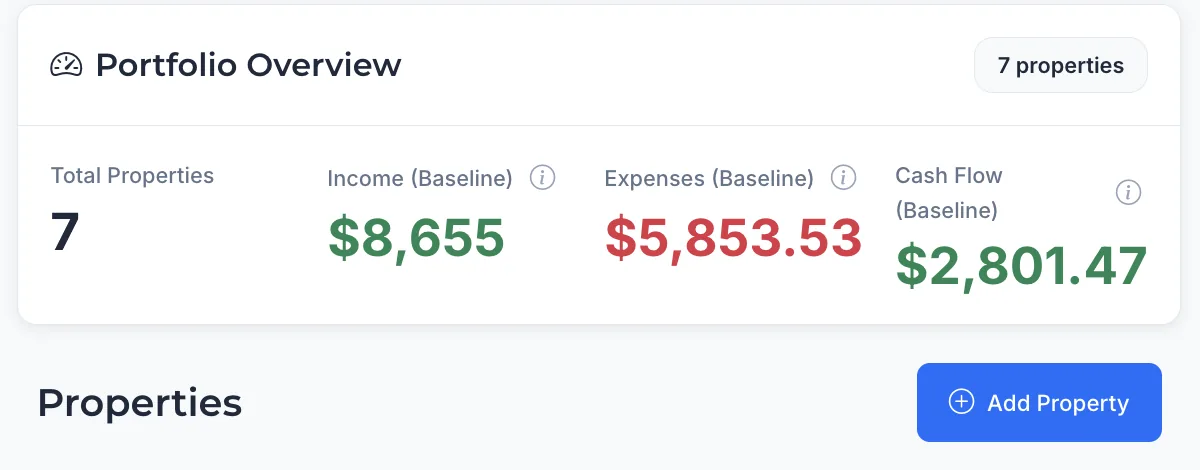
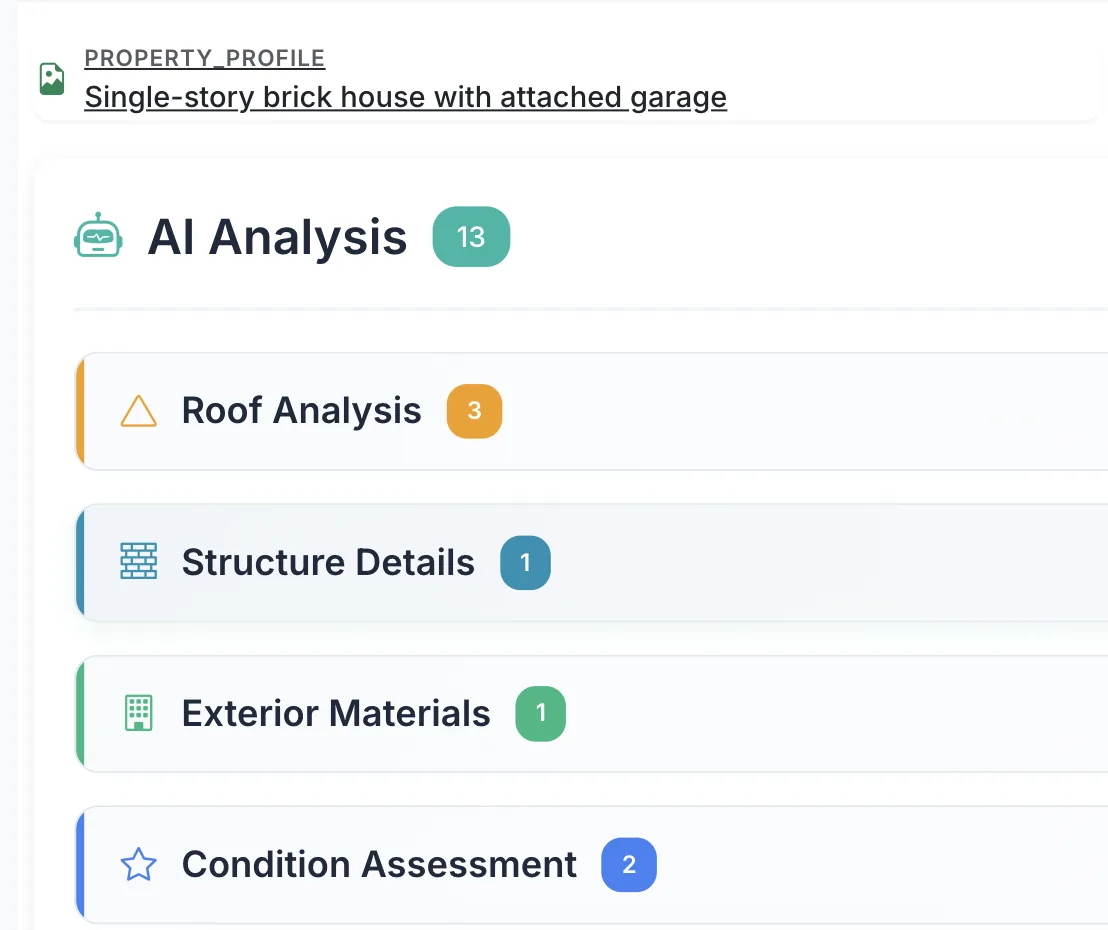
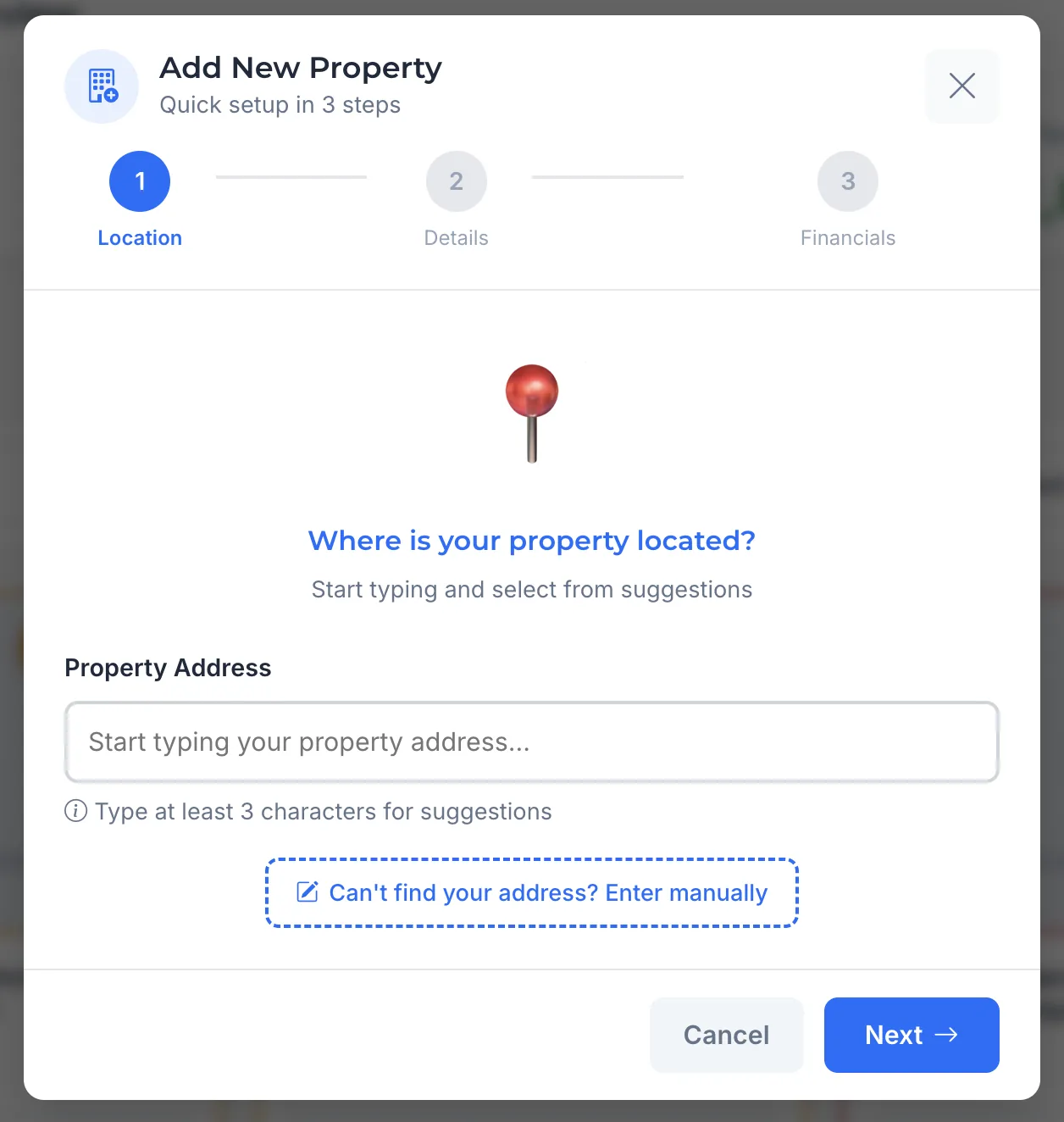
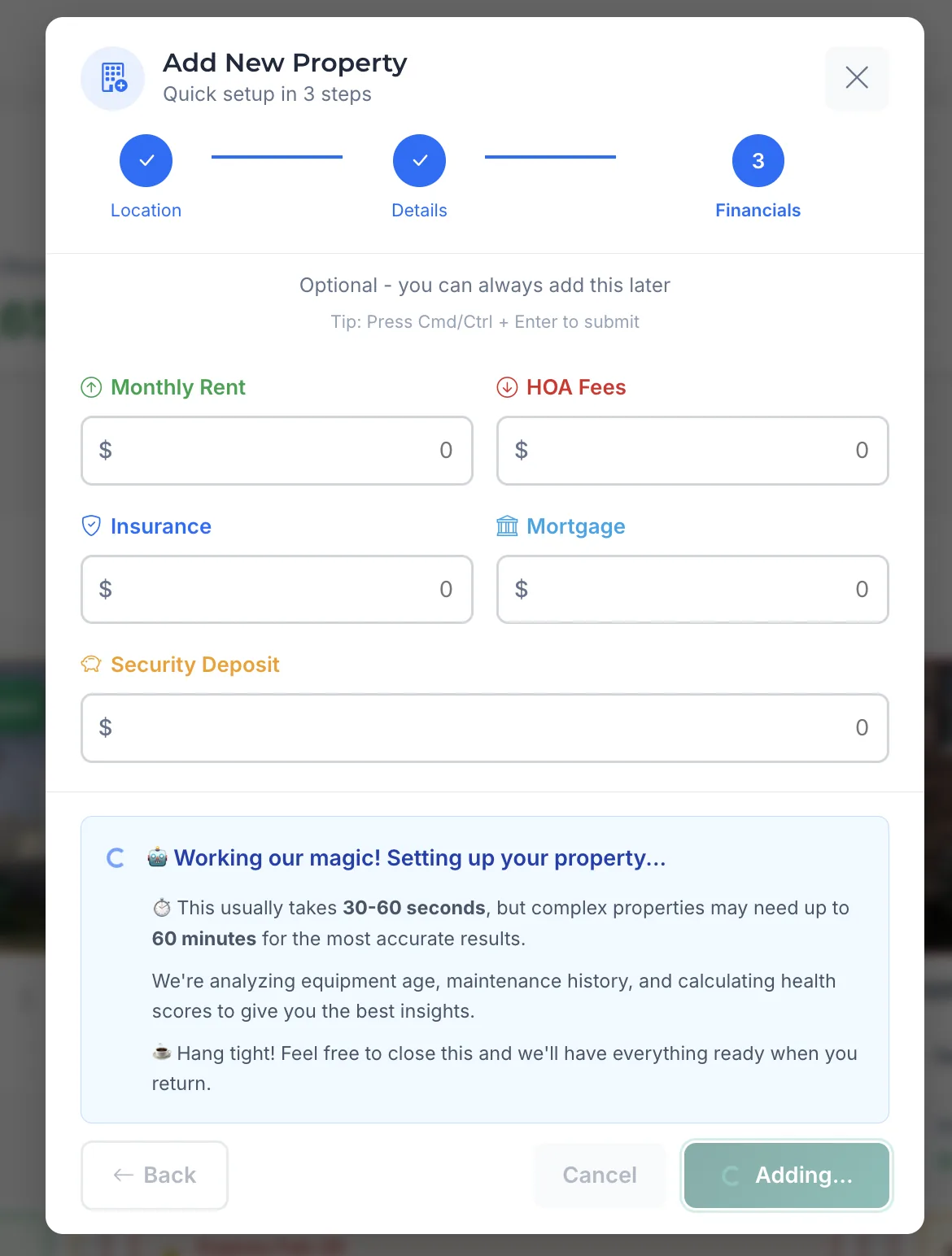
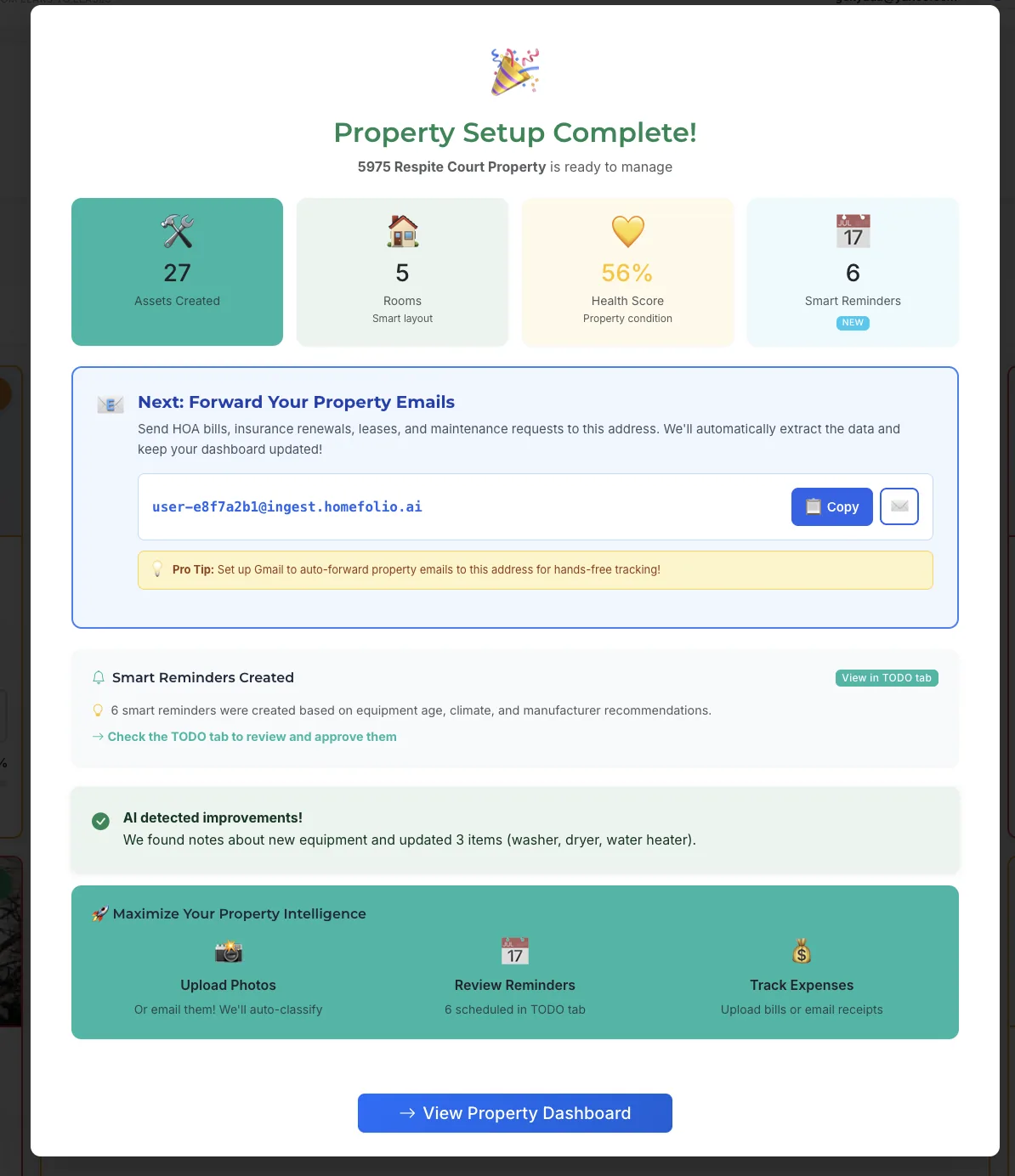
Using tools like Homefolio AI can be invaluable in this regard. With Homefolio AI, your home's improvement records are already there when you need them, giving potential buyers peace of mind. They know they're buying a home that's been well-cared for and maintained.

When you share these records, you enhance the home's perceived value. Buyers trust a home with documented improvements more, which can lead to quicker, more profitable sales. It's a simple step that can yield substantial rewards.

FAQs: Selling Your Home Quickly and Profitably

What is the best time of year to sell a house?

Spring is traditionally the best time to sell a house, as the market sees an influx of buyers eager to move before the new school year. However, this can vary by location. In warmer climates, winter can also be a busy selling season. Evaluate your local market conditions to determine the optimal time for your sale.

How long does it typically take to sell a house?

The average time to sell varies depending on factors like location, market conditions, and pricing. Nationally, homes spend about 30-60 days on the market, but in competitive areas, it can be as little as a week. Pricing your home correctly and ensuring it is in top condition can expedite the process.

What are the most important home features for buyers?

Buyers often prioritize kitchens and bathrooms, so focusing on these areas can be beneficial. Additionally, open floor plans, energy-efficient features, and ample storage space are highly desirable. Consider making improvements in these areas to align with what buyers are seeking in your market.

How can I negotiate effectively with potential buyers?

Effective negotiation starts with knowing your home's true market value. Be prepared to counteroffer and understand the buyer's motivations. Flexibility can help, such as offering to cover closing costs or including certain appliances in the sale. Having a skilled real estate agent can also be advantageous in negotiations.

What should I avoid when selling my home?

Avoid overpricing, as it can deter potential buyers and prolong the selling process. Additionally, don't neglect necessary repairs; buyers will notice and either be turned off or demand a price reduction. Lastly, ensure your home is clean and decluttered before showings to make the best impression.

Your Home's Records — Already There When You Need Them.

Warranties, receipts, maintenance history, and appliance details — connected to your property automatically.

Get Started Free →